As parents, one of our primary responsibilities is to teach our children essential life skills,
and personal hygiene is undoubtedly at the top of the list. Instilling good hygiene habits
from a young age not only contributes to a child’s overall well-being but also sets the
foundation for a lifetime of healthy practices. In this blog post, inspired by the teachings of
this private nursery in London, we’ll explore effective ways to teach your toddler about
personal hygiene in a fun and engaging manner.
“This post is a partnered post and may contain affiliate links. These thoughts and opinions are in line with my own personal beliefs.”
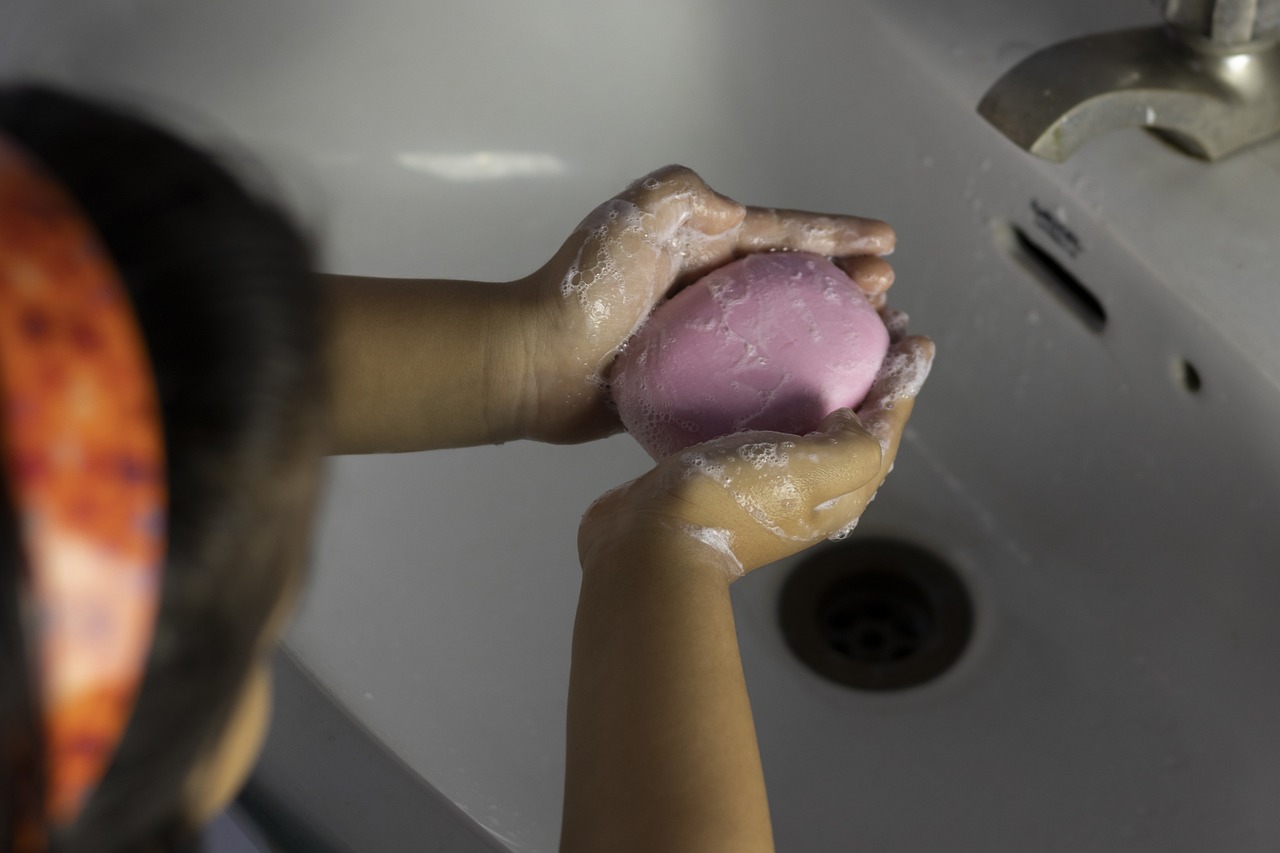
Lead by Example
Children are keen observers, and they often imitate the behaviours of the
adults around them. Make personal hygiene a family affair by demonstrating proper habits
yourself. Let your toddler see you washing your hands, brushing your teeth, and maintaining
cleanliness. This not only establishes a routine but also makes personal hygiene a normal
part of daily life.
Create a Routine
Toddlers thrive on routine and predictability. Establishing a consistent
hygiene routine helps your child know what to expect, making these activities feel natural
and necessary. Set specific times for activities like brushing teeth, bathing, and washing
hands. Use visual aids like charts or colourful timers to make the routine more exciting for
your little one.
Make it Fun
Turning personal hygiene into a game or a fun activity can transform mundane
tasks into enjoyable experiences for your toddler. Sing songs or create a catchy hygiene
jingle while brushing teeth or use bath time as an opportunity for creative play with
colourful bath toys. The more enjoyable the experience, the more likely your child will
develop positive associations with hygiene practices.
Interactive Learning
Toddlers learn best through hands-on experiences. Allow your child to
actively participate in their personal hygiene routine. Give them a small, soft toothbrush to
practice brushing their own teeth (under supervision), or let them pick out their favourite
soap for bath time. This sense of autonomy not only makes the process more engaging but
also encourages a sense of responsibility.
Use Storytelling
Children love stories, and incorporating storytelling into the learning
process can be highly effective. Create simple, age-appropriate stories that highlight the
importance of personal hygiene. Introduce characters who love keeping themselves clean
and healthy, making the narrative relatable and interesting for your toddler.
Positive Reinforcement
Positive reinforcement is a powerful tool when teaching toddlers
new habits. Praise your child for completing their hygiene tasks, and consider implementing
a reward system, such as stickers on a chart for each successful day of following the routine.
Celebrate their achievements to boost their confidence and motivation.
Introduce the ‘Why’ Behind Hygiene
As your toddler grows, they will start to ask questions.
Take the time to explain why personal hygiene is important. Use simple language to convey
the concepts of staying healthy, preventing sickness, and feeling good. Understanding the
reasons behind these practices can make them more meaningful to your child.
Teaching your toddler about personal hygiene is not just about cleanliness; it’s about laying
the groundwork for a lifetime of healthy habits. By incorporating fun, routine, and positive
reinforcement, you can make the learning process enjoyable for your child while instilling
the importance of taking care of themselves. Remember, the goal is to create positive
associations with personal hygiene, setting the stage for a lifetime of good health and well-
being.



Leave a Reply