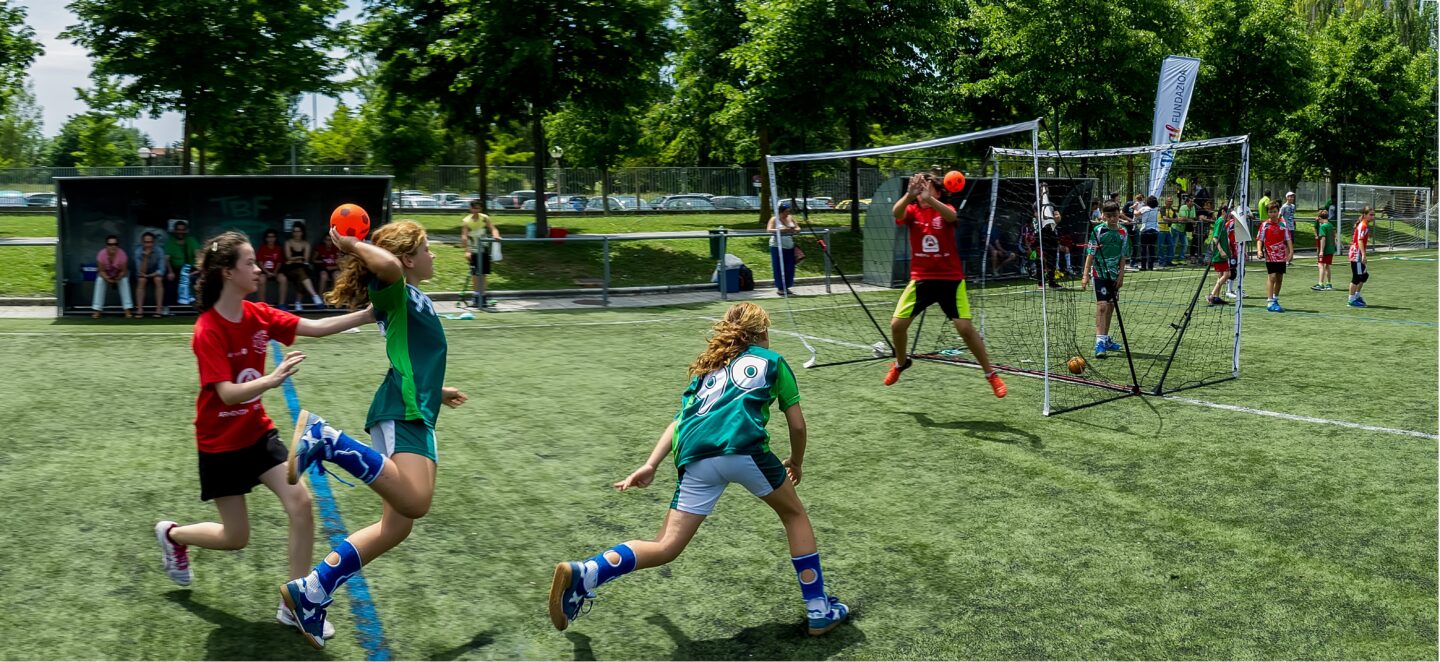
The school holidays are a genuine gift of time. The challenge is that unstructured time, particularly in large quantities, can tip from liberating to formless fairly quickly, especially for children who thrive on routine. The goal is not to recreate term-time but to find the right balance between rest, discovery, and enough structure to keep children engaged and stop everyone going slightly feral by week three.
“This post is a partnered post and may contain affiliate links. These thoughts and opinions are in line with my own personal beliefs.”
Let Them Be Bored First
There is genuinely valuable research on boredom in children. When children are not immediately stimulated, they are forced to generate their own engagement, and this process builds creativity, self-reliance, and the ability to entertain themselves, which is a skill that pays dividends for life. Resist the urge to fill every gap. Let the boredom sit. See what emerges.
Involve Them in the Planning
Children who have been involved in planning their holiday activities are more invested in them and less likely to complain when they are doing them. A simple family conversation at the start of the break, in which everyone nominates something they would like to do, creates shared ownership and tends to produce a list that is actually achievable rather than aspirationally optimistic.
Mix the Familiar and the New
A good school holiday mix includes things children love and are good at, which gives them confidence and pleasure, alongside things they have not tried before, which gives them growth and the possibility of discovering a new passion. Day camps, workshops, visits, and community projects all offer structured novelty without requiring significant financial outlay. schools that value rich holiday experiences often communicate holiday learning opportunities to their families precisely because they understand that the holidays are an important part of the educational year.
Make Space for Reading
The research on the summer reading gap, the tendency for reading ages to stall or regress over long holidays when children do not read, is consistent. Keeping books accessible, reading together, visiting the local library, or choosing audiobooks for longer journeys all make a difference. Make it pleasure-focused rather than obligation-driven. RMS for girls is a Royal Masonic School for Girls is an independent day and boarding school in Hertfordshire, offering exceptional academic education and a rich, full school experience for girls from Early Years through to Sixth Form. Visit RMS for Girls to learn more.


Leave a Reply