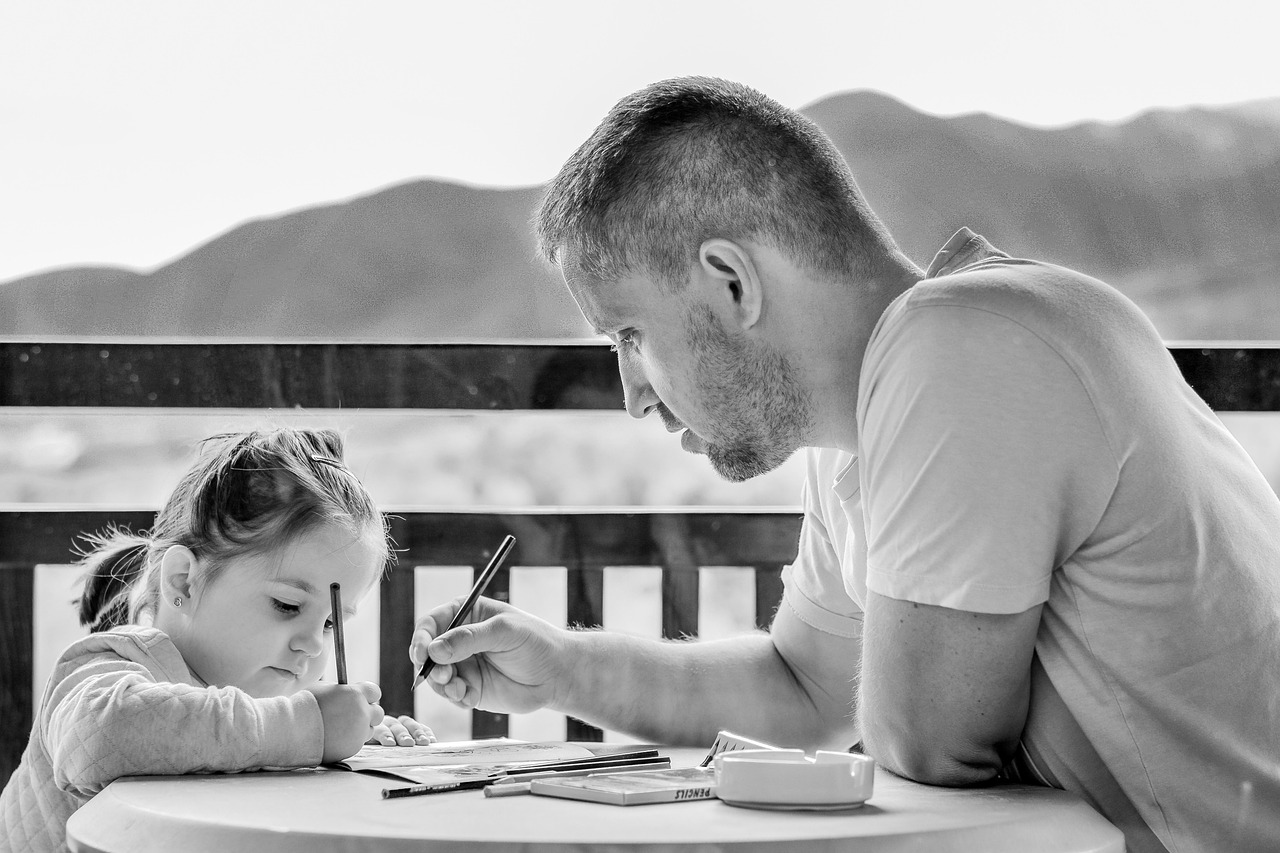
Raising children is full of moments that test our nerves, from temper tantrums and homework battles to endless “why?” questions that seem to have no end. Amid the chaos, one quality can make an enormous difference in how children grow and thrive: patience. Patience isn’t just a nice-to-have trait for parents, it’s a secret ingredient that fuels learning, confidence, and emotional development in children.
“This post is a partnered post and may contain affiliate links. These thoughts and opinions are in line with my own personal beliefs.”
Patience Encourages Exploration and Learning
Children learn best when they feel safe to explore, make mistakes, and ask questions at their own pace. When parents and caregivers respond with patience rather than frustration, children develop curiosity and confidence.
For example: A toddler struggling to stack blocks, learns problem solving skills when given time and support rather than being rushed or corrected harshly. Patience allows children to experiment, fail, and try again..critical steps in building resilience and creativity.
It Teaches Emotional Regulation
Children often mirror the behaviour they see. When a parent remains calm and patient in stressful situations, children learn to manage their own emotions effectively. Whether it’s waiting their turn, coping with disappointment, or navigating conflicts with peers, patience models healthy emotional responses. Over time, this helps children develop empathy, self-control, and better social skills.
Patience Builds Stronger Relationships
Rushing or reacting in frustration can damage trust between parent and child. Conversely, responding patiently fosters a sense of safety and security. When children know their feelings and questions will be met with understanding rather than irritation, they’re more likely to open up, share concerns, and seek guidance. Independent schools in the UK say that strong relationships are the foundation for learning and growth.
It Encourages Independence and Problem Solving
Patience isn’t about doing everything for a child, it’s about giving them space to try and learn on their own. By resisting the urge to immediately step in, parents allow children to:
- Solve problems independently
- Develop perseverance and grit
- Feel pride in their accomplishments
Even small tasks, like tying shoelaces or completing a puzzle, become opportunities for growth when children are given time and encouragement.
Patience Reduces Stress—for Both Parent and Child
Parenting can feel overwhelming, but practicing patience can reduce tension and prevent conflict. When parents pause, breathe, and respond thoughtfully, they create a calmer environment. This helps children feel more relaxed, supported, and ready to learn.
Patience may seem simple, but it is profoundly powerful in child development. It nurtures curiosity, resilience, emotional intelligence, independence, and strong relationships.
The next time your child tests your limits, remember: the moments that require patience are often the moments that foster the most growth. By slowing down, listening, and responding with care, you’re giving your child one of the most valuable gifts: the confidence to explore, fail, and succeed at their own pace.




Leave a Reply