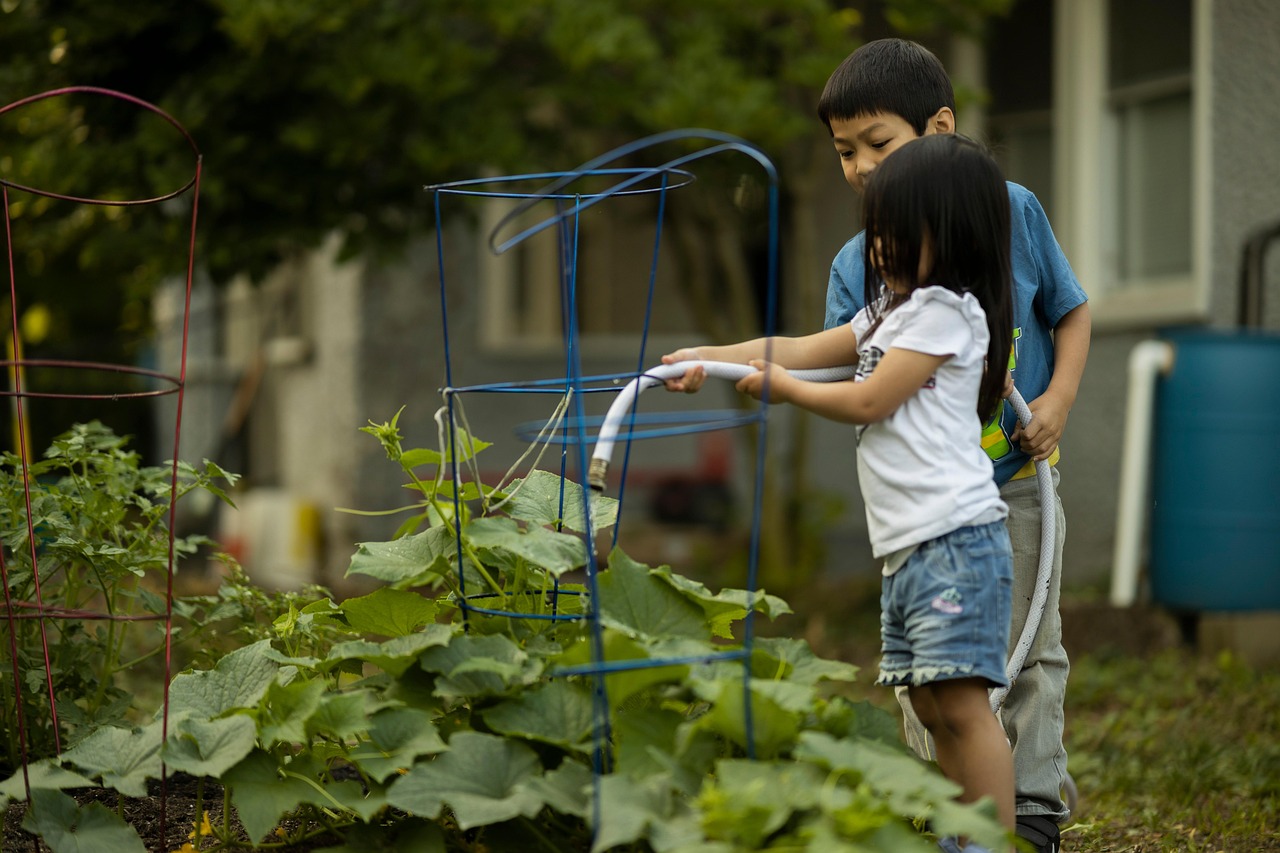
In a world full of screens and schedules, gardening with children offers a refreshing way to slow down, connect with nature, and teach life-long lessons. Digging in the soil isn’t just about growing flowers or vegetables, it’s a hands-on opportunity to cultivate growth, patience, and responsibility. Here’s why gardening with kids is more than just a hobby, it’s a powerful tool for learning and development.
“This post is a partnered post and may contain affiliate links. These thoughts and opinions are in line with my own personal beliefs.”
Teaching Patience and Perseverance
Plants don’t grow overnight, and gardening teaches children that good things take time. Watching a seed slowly sprout and grow into a healthy plant helps kids understand that effort and consistency pay off. Even small setbacks, like a plant that doesn’t grow as expected, become lessons in resilience and problem solving.
Encouraging Responsibility
When children are responsible for watering, weeding, or harvesting, they learn the value of consistent care. Assigning simple tasks, like watering a plant every morning, helps kids develop a sense of accountability and pride in nurturing something over time. This private primary school in Richmond says that taking responsibility helps your child learn how to take ownership of tasks and feeling proud of their accomplishments.
Boosting Curiosity and Learning
Gardening naturally sparks curiosity. Children ask questions like:
“Why do leaves turn brown?”
“How do seeds grow into plants?”
It’s a fun, hands-on way to explore science, biology, and ecology. Kids also learn about seasons, weather, and the importance of sustainable practices in the environment.
Encouraging Healthy Eating Habits
Growing fruits and vegetables gives children a sense of ownership over their food. Kids are often more excited to try new vegetables they’ve planted themselves. Gardening can turn picky eaters into enthusiastic tasters while teaching the value of fresh, healthy food.
Promoting Emotional Wellbeing
Gardening is not only educational, it’s therapeutic. Spending time outdoors, digging in the soil, and tending to plants reduces stress, improves mood, and encourages mindfulness. Children often feel a sense of calm and achievement when they see the results of their work.
Strengthening Family Bonds
Gardening together creates quality family time. Sharing tasks, celebrating growth milestones, and problem solving as a team fosters communication, collaboration, and connection. It’s a project where everyone contributes and shares in the rewards.
Tips for Gardening with Kids
- Start with fast-growing plants like sunflowers, radishes, or cherry tomatoes.
- Give children age-appropriate tasks such as watering, planting seeds, or harvesting.
- Use gardening as a chance to explore nature; bugs, soil, and flowers can be fascinating!
- Celebrate successes and encourage curiosity, even when plants don’t grow as planned.
Gardening with children is more than just planting seeds, it’s cultivating life skills. Patience, responsibility, curiosity, healthy habits, and emotional wellbeing all flourish alongside the plants in your garden.
By digging, planting, and nurturing together, you’re not just growing plants you’re helping your child grow too!




Leave a Reply