
Learning is often associated with classrooms, textbooks, and formal education. However, the foundations of lifelong learning are built long before a child steps into school. The home environment plays a pivotal role in shaping curiosity, problem-solving skills, and a love of knowledge that can last a lifetime.
“This post is a partnered post and may contain affiliate links. These thoughts and opinions are in line with my own personal beliefs.”
The Role of Parents as First Teachers
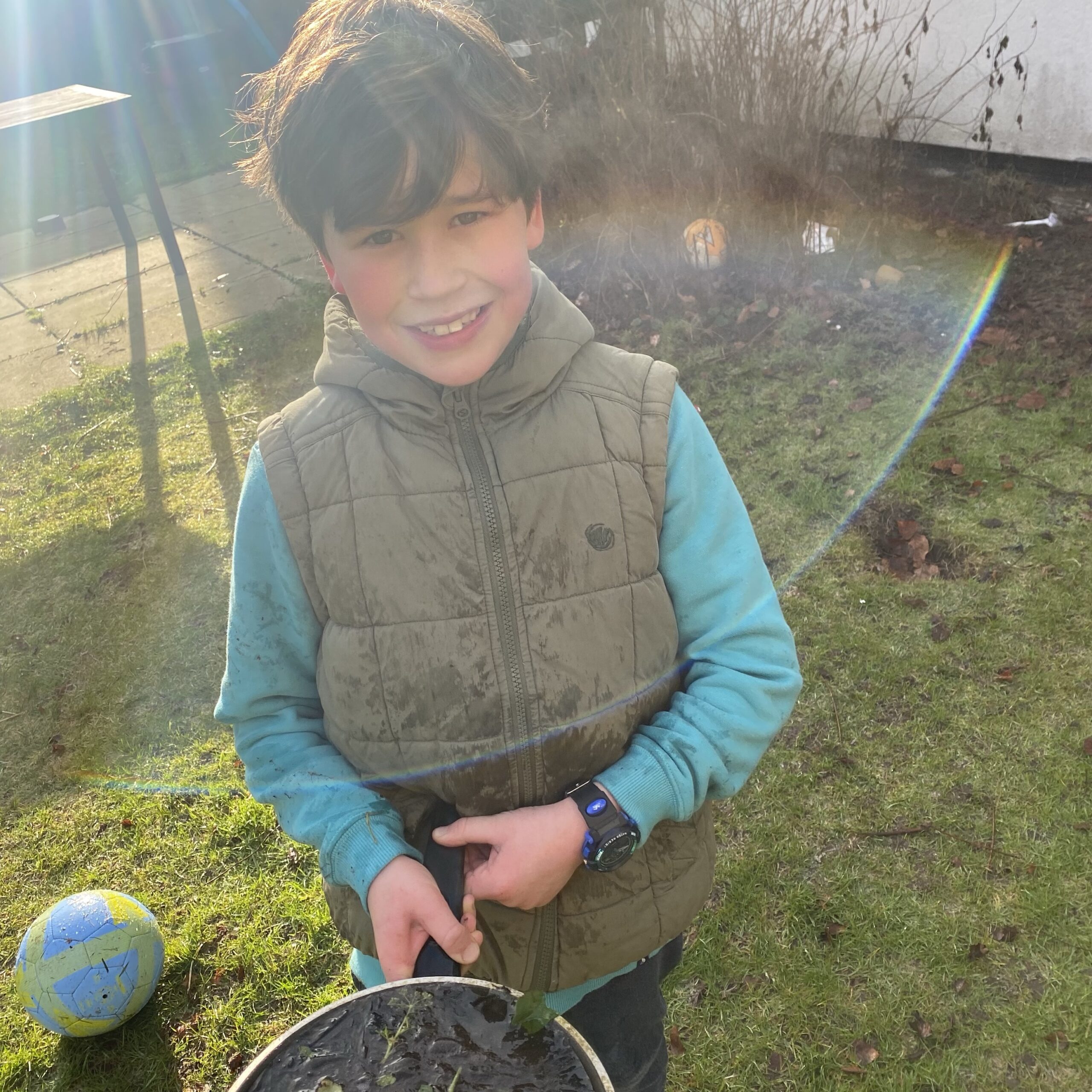
Parents are a child’s first and most influential teachers. From reading bedtime stories to engaging in everyday conversations, children absorb information and develop skills through interaction with their caregivers. Simple activities, such as cooking together or gardening, offer lessons in maths, science, and responsibility without feeling like traditional education. By modelling curiosity and a positive attitude towards learning, parents inspire children to explore and question the world around them.
Encouraging Curiosity and Exploration
Curiosity is the spark that drives learning. Homes that encourage questions, experimentation, and exploration foster independent thinking and creativity. For example, allowing children to investigate how things work or to pursue hobbies of interest teaches them to seek knowledge actively rather than passively. By supporting exploration, parents help children develop problem-solving skills and resilience—traits that are essential for lifelong learning.
Creating a Learning-Friendly Environment
A home that nurtures learning doesn’t need to be a classroom. Simple adjustments, such as creating a reading nook, providing access to books and educational games, or encouraging discussion over dinner, can make learning a natural part of daily life. Technology can also play a supportive role, with educational apps, documentaries, and online resources providing opportunities for children to explore their interests safely and creatively.
Instilling a Growth Mindset
A key aspect of lifelong learning is the ability to embrace challenges and learn from mistakes. Parents can cultivate a growth mindset by praising effort rather than innate talent, encouraging persistence, and modelling how to handle setbacks. For example, if a child struggles with a puzzle, guiding them to try different strategies rather than providing the answer helps them understand that learning is a process, not a fixed outcome.
Learning by Example
Children learn as much from what they observe as from what they are taught. Parents who demonstrate curiosity, adaptability, and a willingness to learn new skills provide a powerful example. Whether it’s learning a new language, taking up a musical instrument, or simply exploring a new recipe, parents who continue their own learning journey show children that education doesn’t stop at school—it is a lifelong pursuit.
Lifelong learning is not confined to classrooms; it begins at home. By creating a supportive environment, encouraging curiosity, modelling a growth mindset, and engaging in shared learning experiences, parents lay the groundwork for a lifetime of curiosity and discovery. When learning becomes a natural, enjoyable part of daily life, children carry those habits with them into adulthood, equipping them with the skills and confidence to thrive in an ever-changing world.


Leave a Reply